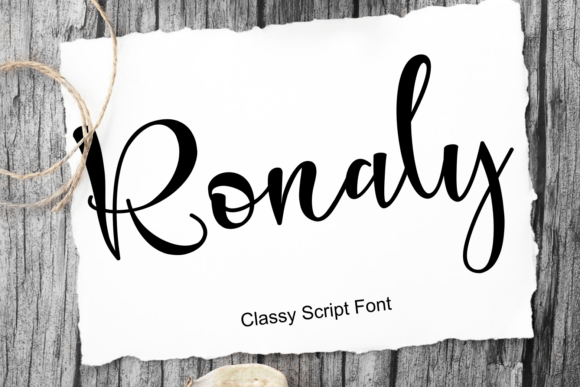
Ronaly: A Fresh Handwritten Font
As I sat down to redesign the header for my lifestyle blog, I knew I needed a font that felt personal yet polished. Ronaly, a casual and fresh handwritten font, emerged as the perfect choice. Its soft curves and natural flow brought a sense of warmth and approachability that aligned with the blog’s tone. For editorial designers and content creators, Ronaly is more than just a font—it's a tool that can shape the mood and identity of any project.
Ronaly for Blog Headers and Editorial Branding
Ronaly shines when used in blog headers, where its handwritten style adds a human touch without overwhelming the reader. As a script handwritten font, it brings a sense of authenticity that pairs well with modern typography. In one instance, I used Ronaly for the title of a post about mindfulness and self-care. The font’s gentle rhythm complemented the article’s reflective tone, making the header feel like an invitation rather than a command.
When paired with a clean sans serif font for subheadings and body text, Ronaly creates a balanced visual hierarchy. This combination works especially well for digital publications, where readability is key. Whether you're designing a newsletter or a course PDF, Ronaly can help define your brand’s personality while maintaining clarity.
Ronaly for Recipe Ebooks and Cooking Guides
For a recipe ebook I was working on, Ronaly became the go-to font for chapter titles and section headings. Its casual charm matched the friendly, home-cooked vibe of the content. Using Ronaly for pull quotes and decorative accents added a layer of visual interest that made the pages feel more engaging.
One challenge with handwritten fonts is ensuring they remain legible at smaller sizes. Ronaly handles this well, even in captions or short phrases. However, it’s best reserved for display purposes rather than long paragraphs. For body text, pairing Ronaly with a serif font like Georgia or a modern sans serif like Lato ensures the content remains easy to read without sacrificing style.
Ronaly for Wedding Guides and Personal Branding
In a recent wedding guide project, Ronaly played a central role in defining the publication’s aesthetic. Its elegant yet approachable nature made it ideal for section headings, quote boxes, and callout text. The font’s versatility allowed it to work across different design elements, from cover art to social media graphics.
As a script handwritten font, Ronaly also excels in logo design and personal branding. It adds a unique, handcrafted feel that stands out in a sea of generic typefaces. Whether you’re creating a printable planner or a coaching workbook, Ronaly can help establish a cohesive visual identity that resonates with your audience.
Ronaly for Digital Magazines and Content Layouts
When working on a digital magazine layout, I found that Ronaly worked best for headlines and decorative elements rather than body copy. Its expressive strokes and fluid movement make it ideal for eye-catching titles and section openers. In one layout, I used Ronaly for a featured article’s title, which immediately drew readers’ attention and set the tone for the piece.
For content structure, Ronaly can be used to highlight key points, such as in a checklist or a step-by-step guide. Its informal nature makes it perfect for tutorials, tips, and how-to guides where a more relaxed tone is appropriate. However, for dense editorial sections, it’s better to use a more structured font to maintain readability.
Ronaly for Newsletter Graphics and Social Media Design
Ronaly is a standout choice for newsletter graphics and social media posts. Its handwritten style adds a personal touch that feels more authentic than standard fonts. In a recent email campaign, I used Ronaly for the subject line and a featured quote, which helped increase open rates and engagement.
When using Ronaly in web design or social media, it’s important to consider how it renders on different platforms. While it looks great on desktop screens, it may appear slightly less crisp on mobile devices. Testing the font across various formats ensures that it maintains its visual appeal without compromising usability.
For print materials, Ronaly performs well in larger sizes, such as in posters, flyers, or event invitations. Its organic flow gives a handmade quality that can elevate any printed piece. However, for small text or detailed layouts, a more traditional font might be preferable to ensure clarity.